Traditional Chinese Calendar
Introduction
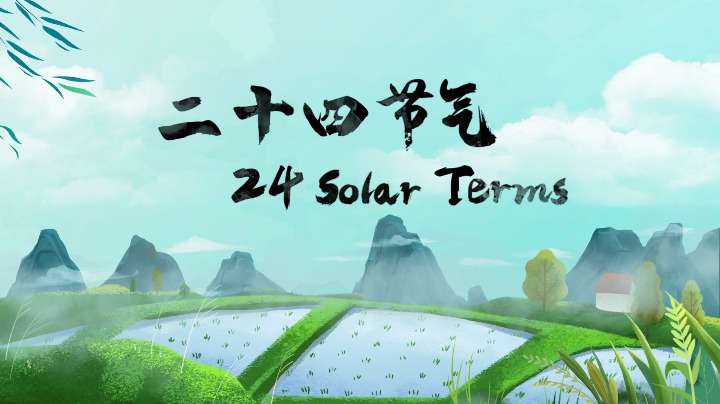
The Traditional Chinese Calendar, deeply rooted in Chinese culture, is a lunisolar calendar that was established over 2,000 years ago. It intricately weaves together lunar and solar movements to provide a comprehensive framework for timekeeping, agriculture, festivals, and daily life. Central to this calendar are the 24 solar terms, which are crucial in understanding the passage of time throughout the year.
The 24 Solar Terms
Origins and Significance
The concept of the 24 solar terms was first developed by ancient Chinese astronomers who meticulously observed the movement of the sun across the sky. These terms are a testament to the profound understanding that ancient Chinese had of nature's cycles and their influence on agriculture and human life. Each solar term corresponds to specific seasonal changes, providing guidance for agricultural activities such as planting, harvesting, and even pest control.
Cultural Heritage
In recognition of its cultural significance, the 24 solar terms were inscribed on UNESCO's Representative List of the Intangible Cultural Heritage of Humanity in 2016. They embody a deep philosophical understanding of nature and time, reflecting the harmonious relationship ancient Chinese cultivated with their environment. These terms go beyond mere agricultural applications; they are intertwined with Chinese festivals, health practices, and culinary traditions, influencing lifestyles even in contemporary China.
Notable Solar Terms
-
Start of Spring (立春): Marks the beginning of the lunar new year and the awakening of nature. Celebrated with customs like flying kites and "biting the spring" by eating fresh vegetables.
-
Rain Water (雨水): Signals a rise in rainfall and temperature, imperative for the irrigation of spring crops. Traditional practices include husbands visiting their in-laws and enjoying nutritious porridge to adapt to the damp weather.
-
Awakening of Insects (惊蛰): Associated with the first spring thunder that awakens hibernating insects and animals. Cultural practices include eating pears to soothe the throat and participating in "villain hitting" rituals to ward off bad luck.
-
Grain Rain (谷雨): Marks the end of cold weather and the beginning of a warmer climate favorable for grain growth. Traditions involve drinking tea and eating toona sinensis, a local delicacy in northern China.
-
Winter Solstice (冬至): Known for the longest night and shortest day in the Northern Hemisphere, symbolizing the onset of winter. It is celebrated with various culinary traditions such as eating dumplings and tangyuan to promote family unity and warmth.
Each solar term is associated with specific weather patterns and natural phenomena, which ancient Chinese used to predict climate changes and prepare for agricultural activities. These terms also influence various traditional practices, including dietary habits, clothing choices, and health rituals.
Influence on Chinese Culture
Festivals and Celebrations
Many traditional Chinese festivals are aligned with the solar terms. For instance, the Qingming Festival (Tomb-Sweeping Day) coincides with the Clear and Bright solar term, emphasizing the importance of honoring ancestors and enjoying the renewal of spring. The Mid-Autumn Festival, although primarily a lunar celebration, is influenced by the Harvest Moon and is celebrated with mooncakes and gatherings.
Traditional Cuisine
The solar terms play a significant role in shaping Chinese culinary traditions. Dishes are prepared according to seasonal availability and health benefits. For example, during the Grain Rain period, certain herbs and vegetables are consumed to balance body humidity and boost immunity. Similarly, during the Winter Solstice, warming foods like mutton and dumplings are favored to combat the cold.
Health and Well-being
Traditional Chinese medicine incorporates the principles of the solar terms to promote health and well-being. Each term suggests specific dietary changes and lifestyle adjustments to harmonize the body's internal energy with the external environment. Practices such as eating lotus roots during Minor Heat or drinking herbal teas during Grain Rain are believed to prevent seasonal ailments and promote longevity.
Modern Relevance
Despite the advent of the Gregorian calendar, the Traditional Chinese Lunar Calendar and its solar terms continue to be relevant in modern China. They guide agricultural practices, influence cultural events, and are integral to the preservation of Chinese heritage. With the growing global interest in sustainable living and holistic wellness, the principles embedded in the 24 solar terms offer valuable insights into living in harmony with nature.
Preservation and Promotion
Efforts to preserve and promote the 24 solar terms are ongoing. Various organizations and cultural institutions collaborate to educate the public about this ancient knowledge system through exhibitions, educational programs, and digital content. Initiatives like the Twenty-four Solar Terms Protection and Inheritance Alliance aim to safeguard this cultural heritage for future generations, ensuring that its wisdom continues to enrich lives worldwide.
In conclusion, the Traditional Chinese Lunar Calendar, with its 24 solar terms, is more than just a timekeeping system; it is a cultural legacy that embodies the wisdom, resilience, and creativity of the Chinese people. Through its intricate understanding of nature and time, it continues to inspire and guide individuals in their pursuit of a balanced and harmonious life.








